When you’re picking out a bundle of joy’s first gifts, the thought of wrapping it in something that’s kind to both baby and planet can feel like a balancing act. Yet, with the right eco‑friendly baby hamper materials, you can give a present that’s as nurturing as it is sustainable. This guide walks you through the materials, the certifications that matter, and how to assemble a hamper that will make your little one—and the Earth—smile.
Why Eco‑Friendly Baby Hamper Materials Matter
Health and Safety First
Newborns have delicate skin that can be sensitive to chemicals, dyes, and synthetic fibers. Choosing materials that are free from harmful substances reduces the risk of irritation or allergic reactions. Organic fabrics, for instance, are grown without pesticides, giving parents peace of mind that the first touch on their baby’s skin is as gentle as a lullaby.
Environmental Impact
Each product you buy leaves a carbon footprint. Eco‑friendly baby hamper materials often come from renewable resources or recycled content, cutting down on deforestation, water usage, and waste. By opting for sustainable options, you’re not just buying a gift; you’re investing in a healthier future for your child.
Common Materials in Baby Hampers and Their Green Credentials
Organic Cotton
Organic cotton is a staple in eco‑friendly hampers. Grown without synthetic pesticides or fertilizers, it reduces chemical runoff and preserves soil health. Look for the GOTS (Global Organic Textile Standard) label to ensure true organic certification.
Bamboo Fabric
Bamboo is a fast‑growing, renewable resource that requires minimal water and no pesticides. Its natural fibers are breathable and hypoallergenic—perfect for baby onesies and swaddles. However, be wary of bamboo that’s blended with polyester; pure bamboo is the greenest choice.
Recycled Polyester
Recycled polyester is made from post‑consumer plastic bottles, diverting waste from landfills. While it’s not biodegradable, it saves energy compared to virgin polyester. Products labeled “post‑consumer recycled” are a solid middle ground between sustainability and practicality.
Natural Rubber
For items like pacifier rings or silicone-based teething toys, Visit this website natural rubber sourced from sustainably managed plantations is a greener alternative to synthetic rubber. Certifications such as the Forest Stewardship Council (FSC) guarantee responsible harvesting.
Plant‑Based Packaging
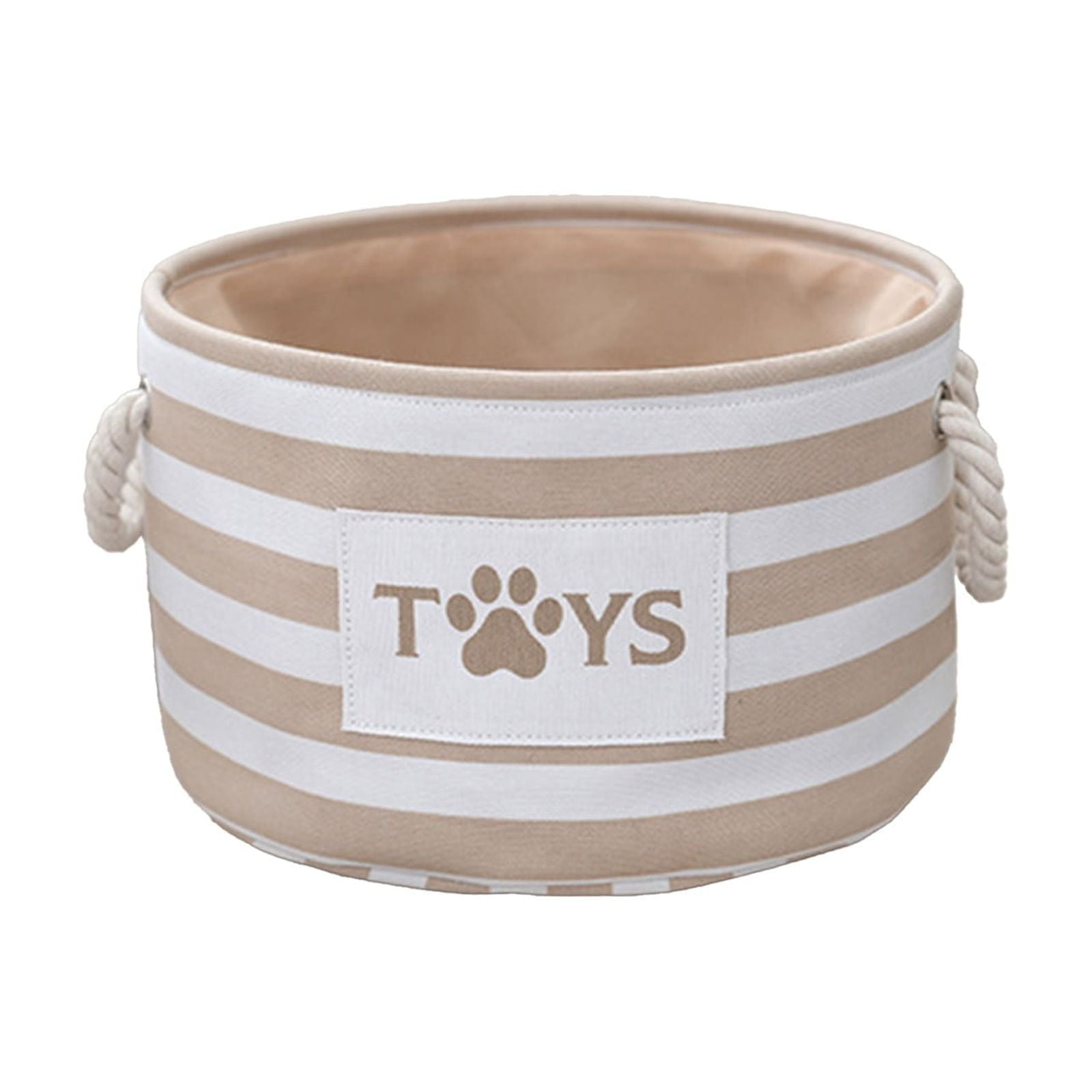
Beyond the items themselves, the packaging plays a role. Biodegradable paper, hemp twine, or reusable baskets made from jute or recycled cardboard keep the hamper’s footprint light. Avoid single‑use plastics whenever possible.
Tips for Selecting the Right Materials
Check Certifications
Certifications act as a safety net. GOTS, OEKO‑Tex, FSC, and Cradle to Cradle are trustworthy marks that confirm a product’s environmental and social credentials. A quick scan of the label can save you from unknowingly supporting unsustainable practices.
Look for Durability
An eco‑friendly hamper is more valuable if it lasts. Materials that withstand washing and wear reduce the need for frequent replacements. Durable fabrics like organic cotton and bamboo, coupled with sturdy bamboo baskets, offer longevity.
Consider the Baby’s Sensitivities
Every baby is unique. If your little one has eczema or a known sensitivity to fragrances, choose fragrance‑free, hypoallergenic materials. Even the scent of the packaging can affect a newborn’s delicate senses.
Building a Sustainable Baby Hamper: A Step‑by‑Step Guide
Start with a Reusable Basket
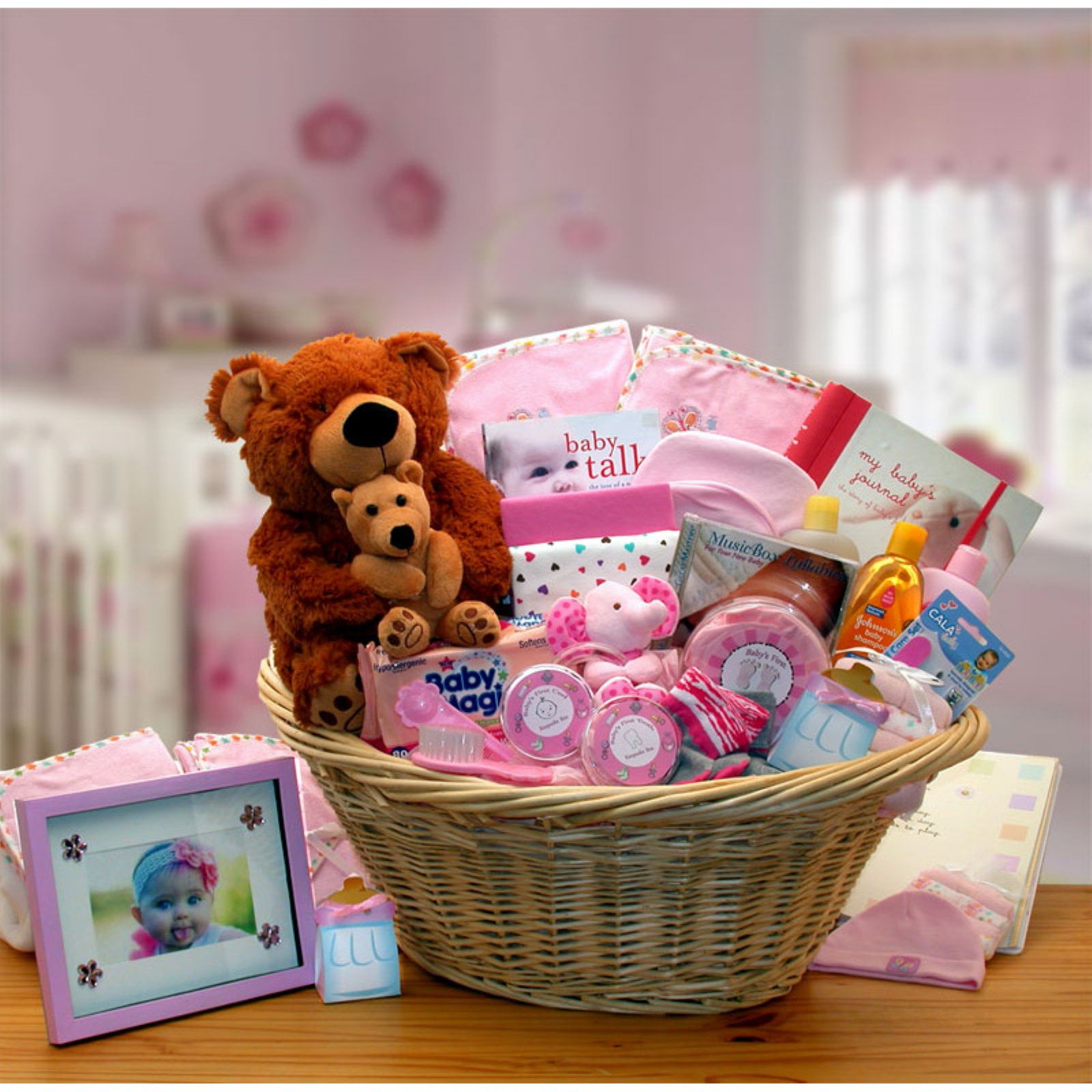
Begin with a sturdy basket made from natural fibers such as jute or bamboo. These baskets can be repurposed as the child grows, turning a single purchase into a long‑term gift. They also add a rustic charm that feels both organic and elegant.
Add Eco‑Friendly Essentials
Fill the basket with items that embody green values:
- Organic cotton swaddles – soft, breathable, and free of chemicals. Bamboo baby blankets – moisture‑wicking and hypoallergenic. Recycled‑polyester diaper bags – lightweight and sturdy. Natural rubber teething rings – safe and sustainably sourced. Plant‑based packaging – biodegradable paper for wrapping.
Wrap with Biodegradable Paper
Finish the hamper with a layer of recycled kraft paper or hemp twine. These materials not only look rustic but also break down quickly, leaving no lasting imprint on the environment.
The Perfect Gift Awaits
Imagine a newborn’s first blanket, a swaddle that feels like a cloud, wrapped in paper that dissolves like a sweet dream. That’s the power of eco‑friendly baby hamper materials: a gift that nurtures the baby and the planet simultaneously. As the famous Baby books environmentalist Rachel Carson once said, “In nature, nothing exists alone.” By choosing sustainable materials, you honor that interconnectedness.
So, the next time you’re assembling a hamper, ask yourself: What will this gift do for the little one’s future? Will it keep their skin safe? Will it reduce waste? The answer, as simple as it is profound, lies in the materials you select.
Wrap up that hamper with a heartfelt note, and you’ve given more than a bundle of goods—you’ve given a legacy of care.